

 CION Ameerpet
Written by Dr. Bharati Devi Gorantla — Medical Oncologist · MBBS · MD (General Medicine) · DM (Medical Oncology) (Adyar, Chennai) · ECMO · MRCP SCE (UK).
Medically reviewed by Dr. N. Kiranmayee — Medical Oncologist · MBBS · DM (Medical Oncology) · MD (Internal Medicine). Last reviewed May 2026.
Ovarian cancer has been called the silent cancer because its symptoms — bloating, mild abdominal discomfort, feeling full quickly — are so easily mistaken for digestive issues. Awareness of the warning signs, combined with genetic testing where appropriate, is the most powerful tool for catching ovarian cancer at a curable stage.
Ovarian cancer occurs when cells in the ovary — or the closely related fallopian tubes and the lining of the abdominal cavity (peritoneum) — begin to grow uncontrollably. Most ovarian cancers are now believed to actually originate in the fallopian tube rather than the ovary itself, which has changed how doctors think about prevention and risk-reducing surgery.
Ovarian cancer is one of the most common gynaecological cancers in India and remains one of the leading causes of cancer-related death in women, mainly because it is so often diagnosed late. Greater awareness of family-history risk, the role of BRCA1 and BRCA2 mutations, and access to better diagnostic imaging are gradually shifting more cases toward earlier diagnosis.
Ovarian cancers are classified by the cell type they arise from. The three broad groups differ markedly in age of onset, behaviour and prognosis.
By far the most common type. It begins in the cells covering the outer surface of the ovary. High-grade serous carcinoma is the most aggressive and most common subtype and is strongly linked with BRCA1 and BRCA2 gene mutations.
A rare type that begins in the egg-producing cells of the ovary, usually affecting younger women and adolescents. Most germ cell tumours are highly responsive to chemotherapy, with excellent cure rates even at advanced stages.
A rare group of tumours that arise in the hormone-producing cells of the ovary. They may produce abnormal levels of oestrogen or testosterone, causing unusual symptoms such as abnormal bleeding or virilisation. Many are detected early and have a good prognosis.
Tumours that are not fully cancerous but have abnormal cells with some risk of progression. They are typically treated with surgery alone and have an excellent prognosis.
For detailed information on diagnosis, surgical and medical treatment options including cytoreductive surgery and PARP inhibitor therapy, see our dedicated page on ovarian cancer treatment in Hyderabad.
Early ovarian cancer often produces only mild, persistent symptoms that are easy to mistake for indigestion or normal ageing. The most important ones are:
We're never more than 30 minutes away. Same panel of specialists at every centre. Same tumour board reviews. Same NCCN protocols. Pick the closest one and call directly — or let us pick for you.
CION Ameerpet
 CION Kukatpally
 CION L.B. Nagar
 CION Tolichowki
 CION Masab Tank
 CION Banjara Hills
 CION Kompally
CION Balanagar
CION Siddipet
CION Sangareddy
CION Kompally
CION Balanagar
CION Siddipet
CION Sangareddy
Not sure which centre fits best? Tell us where you are — we'll suggest the closest one with the right specialists.
Help me pick the right centreTravelling for treatment? We may have a centre right where you are.
Don't see your city? Call 18002028726 — we'll find your nearest CION partner centre.
Trained at AIIMS, Tata Memorial, and leading international centres. Combined 150+ years of experience. Every complex case is reviewed by 3+ of them — together.


MBBS(Gold Medal), DNB(General Medicine), DM(Medical Oncology)(Gold Medal)

MBBS, MD(General Medicine), DM(Medical Oncology)(Adyar,Chennai), ECMO, MRCP SCE(UK)

MBBS, MD (General Medicine), DrNB (Medical Oncology), ECMO, MRCP SCE (Medical Oncology) (UK)


MBBS (AIIMS), MS (Surgery) (AIIMS), DNB (Surgical Oncology), MRCS (Edinburgh)


MBBS, MS(General Surgery), M.Ch(Surgical Oncology), FMAS, FARIS(Ongoing)




MBBS, MS (General Surgery), DrNB (Surgical Oncology), FALS Oncology

Want a specific doctor for your case? Mention them when booking.
Book Free ConsultationShare your name and number — we'll call you back within 30 minutes to schedule your consultation.
If your scan shows a pelvic mass, or your symptoms have lasted more than 2–3 weeks, talk to a CION specialist today — early action is always easier than catching up later.
Ovarian cancer is among the most common gynaecological cancers in women across Telangana and Andhra Pradesh, but the majority of cases are still diagnosed at an advanced stage because the early symptoms are so easily attributed to gastric or routine perimenopausal issues. There is also a strong genetic component — women with a family history of ovarian, breast, or pancreatic cancer should consider genetic counselling and BRCA1/BRCA2 testing.
Hyderabad now has access to high-quality clinical genetics services, and identifying a hereditary risk early opens up preventive options (such as risk-reducing salpingo-oophorectomy) that can dramatically reduce the chance of ever developing ovarian cancer.
The exact cause of ovarian cancer is not always identifiable, but several risk factors are well established:
Persistent abdominal or pelvic symptoms in a woman over 45 — or any age with a strong family history — deserve a specialist review. See a gynaec-oncologist or oncologist promptly if you experience:
A short specialist consultation and the right diagnostic test — imaging, endoscopy, biopsy, or blood test as appropriate — is usually enough to confirm or rule out cancer. Early action is always easier than catching up later.
Our NABH-accredited centres across Hyderabad deliver evidence-based ovarian cancer care — from diagnostic imaging and CA-125 testing through to staging laparotomy, cytoreductive surgery, platinum-based chemotherapy, PARP inhibitor maintenance therapy, and genetic counselling for BRCA testing — guided by NCCN and ESMO protocols and reviewed for every patient by a multidisciplinary tumour board.
For a detailed walk-through of ovarian cancer diagnosis, treatment options, costs, and our specialist team, see our dedicated page on ovarian cancer treatment in Hyderabad.
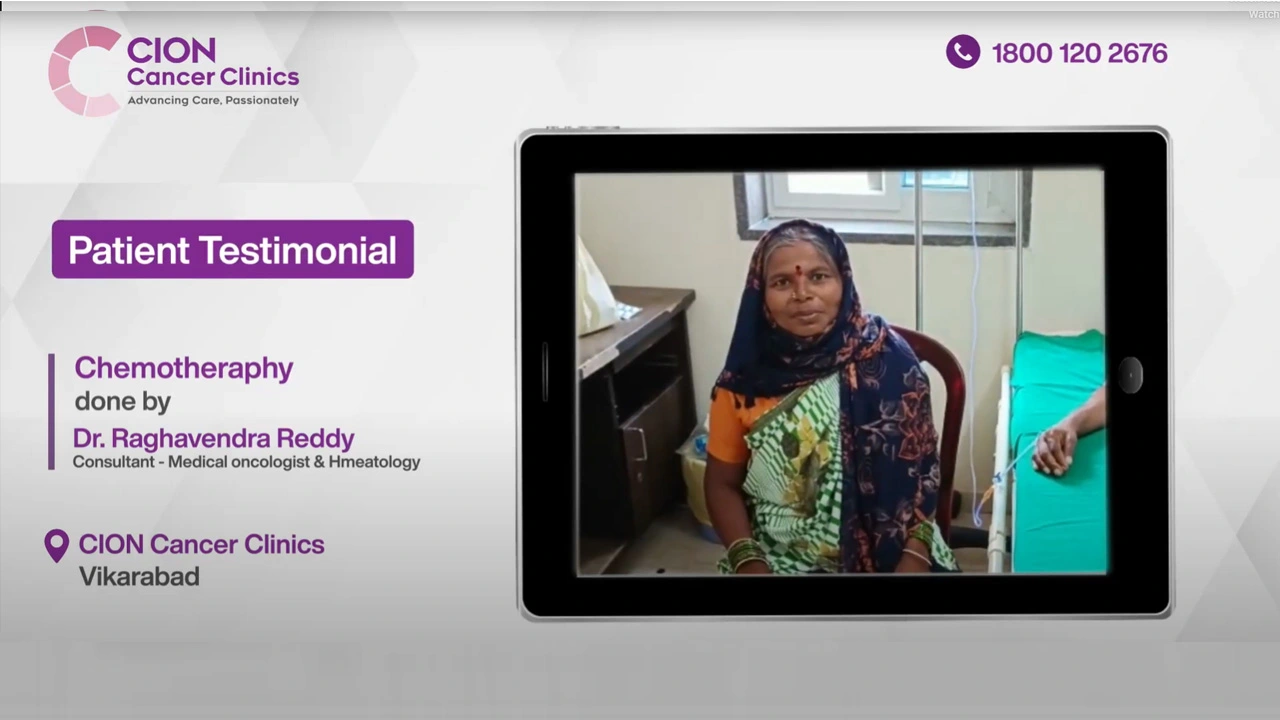
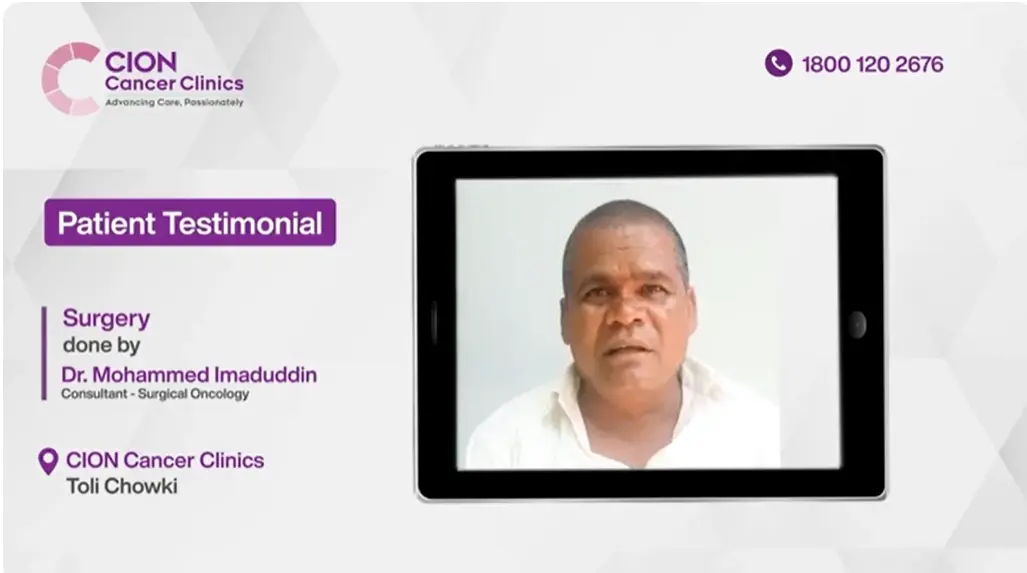
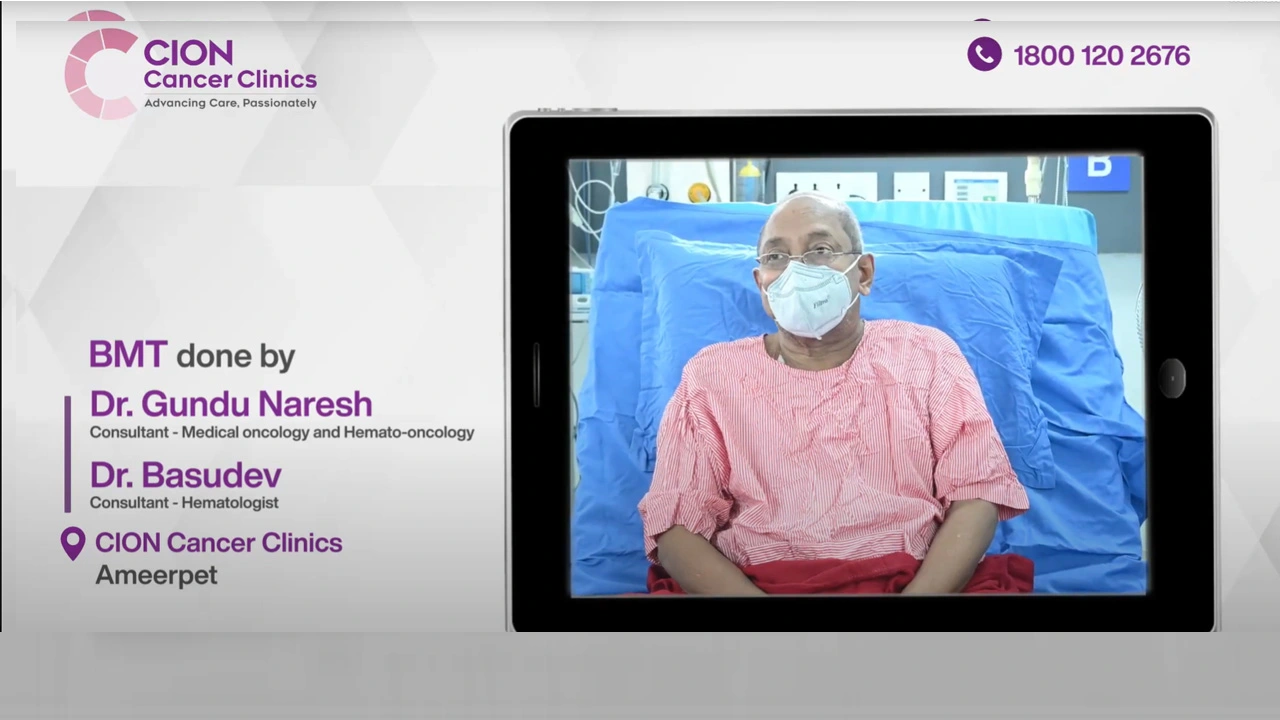
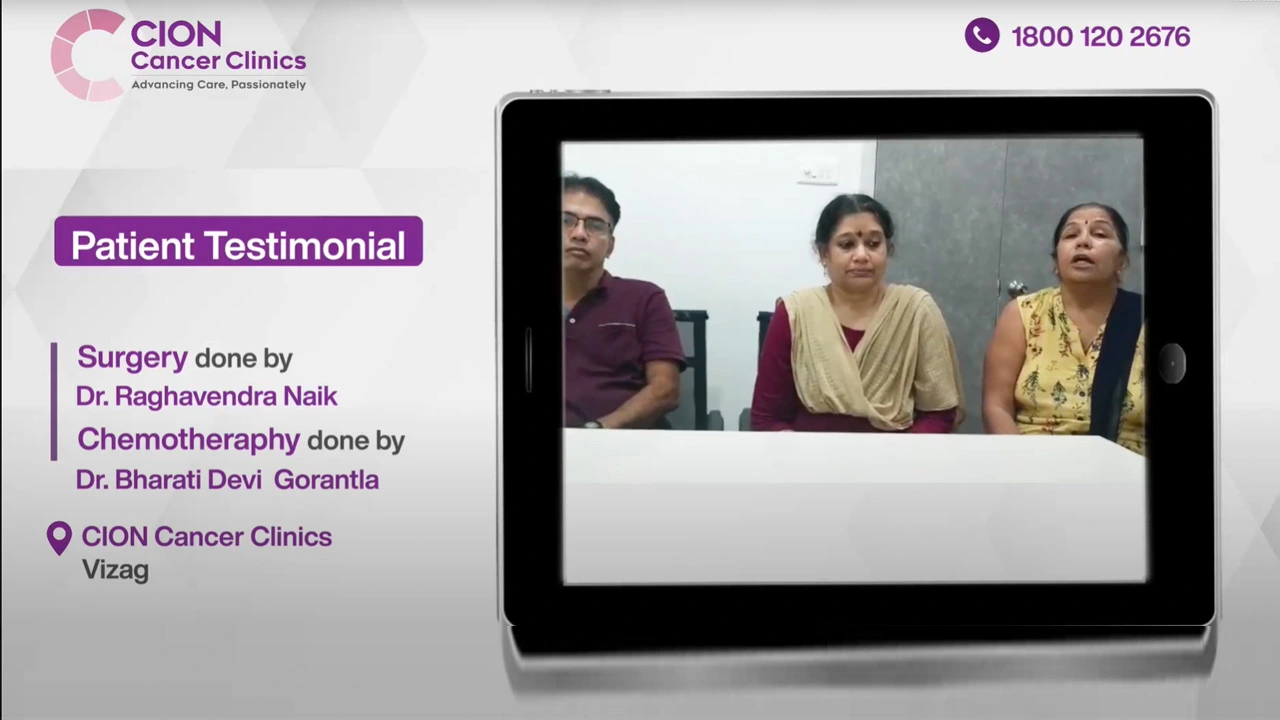
Hear from patients and families about their experience with our oncology team — second opinions, diagnosis, and the path through treatment.
These aren't paid endorsements or written reviews. These are video testimonials from real patients and families — recorded on their own phones, in their own words. Pick any one. Watch it. Then decide.










Read all 800+ reviews on Google
Start Your Story. Book Free Consultation.Ovarian cancer does not have a single specific first sign. The earliest symptoms — persistent bloating, lower abdominal pressure, feeling full quickly, and urinary urgency — are easy to mistake for digestive issues. The key warning is persistence: if these symptoms last more than 2–3 weeks without improvement, they deserve a specialist review and a pelvic ultrasound.
Ovarian cancer is highly curable when detected at an early stage. Stage I disease has 5-year survival rates exceeding 90%. Even advanced ovarian cancer, while harder to cure, is now treated with a combination of cytoreductive surgery, platinum-based chemotherapy, and PARP inhibitor maintenance therapy that has significantly improved long-term outcomes.
Most ovarian cancers do not have a single identifiable cause. The strongest known risk factors are inherited mutations in BRCA1 or BRCA2, a strong family history of ovarian or breast cancer, Lynch syndrome, never having been pregnant, endometriosis, obesity, and long-term hormone replacement therapy after menopause.
Women with BRCA1 or BRCA2 mutations, those with a personal or strong family history of breast, ovarian, fallopian tube, or pancreatic cancer, women with Lynch syndrome, those who have never had children, and women over the age of 50 are at higher risk. Genetic counselling is recommended where a hereditary pattern is suspected.
BRCA testing is recommended for women with a personal or strong family history of breast, ovarian, fallopian tube, or pancreatic cancer; women diagnosed with breast cancer before age 50 or with triple-negative disease; and women with Ashkenazi Jewish ancestry. A genetic counsellor can help decide whether testing is right for you. Identifying a BRCA mutation early enables risk-reducing surgery that can prevent the cancer entirely.
Disclaimer: This page is intended for general informational purposes only and does not constitute medical advice, diagnosis, or treatment. Always consult a qualified oncologist for guidance specific to your medical condition. Content on this page is periodically reviewed and updated by CION's medical team in accordance with current clinical guidelines.