

 CION Ameerpet
Soft tissue sarcoma is a rare but serious cancer that begins in the body's connective tissues — muscle, fat, blood vessels, nerves and the tissues that hold the body together. Because most soft tissue tumours are harmless lipomas or cysts, sarcoma is one of the most frequently misdiagnosed cancers, often removed by an unsuspecting general surgeon before anyone realises it is malignant. A soft tissue lump that is deeper than the skin, larger than 5 cm, or growing in size deserves specialist evaluation before any surgery.
Soft tissue sarcomas are cancers that arise from the body's connective tissues — the muscles, fat, blood vessels, nerves, tendons, ligaments, and the supporting tissues around organs. They make up around 1% of all adult cancers but include more than 70 distinct subtypes, each with its own typical age group, location, and behaviour. The defining clinical feature is a deep, painless, slowly enlarging lump — most often in a limb (especially the thigh), but also in the trunk, abdomen, or retroperitoneum (the space behind the abdominal organs).
Soft tissue sarcomas are distinct from bone cancers, which arise from the bone itself, and from carcinomas, which arise from the linings of organs. Treatment for sarcoma is highly specialised — the right surgical approach, with adequate margins and consideration of pre-operative or post-operative radiation or chemotherapy, is the single most important determinant of cure. Because of how rare sarcomas are, outcomes at specialist sarcoma centres are meaningfully better than at general surgical centres, and a specialist opinion before any surgery on a suspicious lump can make the difference between cure and recurrence.
Soft tissue sarcomas are classified by the type of tissue they arise from. The most clinically important subtypes — and how each is typically treated:
The most common soft tissue sarcoma in adults, arising from fat cells. Most often occurs in the thigh, behind the knee, or in the retroperitoneum. Behaviour varies enormously by subtype — well-differentiated liposarcomas can grow for years without spreading, while dedifferentiated and pleomorphic subtypes are aggressive.
Arises from smooth muscle cells, most often in the uterus, gastrointestinal tract, retroperitoneum, or blood vessel walls. Uterine leiomyosarcoma can be confused initially with a benign fibroid and is usually diagnosed only after surgery.
Previously called malignant fibrous histiocytoma, this is a common aggressive sarcoma of older adults that most often arises in the limbs or retroperitoneum. Treated with surgery, often combined with radiation, and sometimes chemotherapy.
An aggressive sarcoma that most often affects young adults, typically near a joint of the lower limb. Despite its name, it does not arise from the synovial lining of joints. Treated with combined surgery, radiation and chemotherapy.
A distinctive sarcoma of the gastrointestinal tract — most often the stomach or small intestine — arising from specialised cells in the gut wall. GIST is treated very differently from other sarcomas, with targeted therapy (imatinib) combined with surgery.
A sarcoma of skeletal muscle that primarily affects children and adolescents. Treated with combined chemotherapy, surgery and radiation, with cure rates of 70% or more for localised disease.
Includes angiosarcoma (arising from blood vessel cells), malignant peripheral nerve sheath tumours (MPNST, often in patients with neurofibromatosis), dermatofibrosarcoma protuberans (DFSP, a slow-growing skin sarcoma), and many others. Each requires a tailored treatment plan from a specialist sarcoma team.
For detailed information on diagnosis, core-needle biopsy, wide local excision with reconstruction, neoadjuvant and adjuvant radiation therapy, and modern systemic therapy options, see our dedicated page on sarcoma treatment in Hyderabad.
A soft tissue lump is often assumed to be a benign lipoma or cyst, removed by a general surgeon without specialist imaging or biopsy, and turns out to be sarcoma only on the post-operative pathology report — by which time the chance of achieving clean surgical margins has been lost. MRI and a specialist opinion before excision are the single most useful safeguards.
Soft tissue sarcomas often produce few symptoms until they are large enough to press on surrounding structures. The most important early sign is a deep, painless, slowly growing lump. Watch for:
We're never more than 30 minutes away. Same panel of specialists at every centre. Same tumour board reviews. Same NCCN protocols. Pick the closest one and call directly — or let us pick for you.
CION Ameerpet
 CION Kukatpally
 CION L.B. Nagar
 CION Tolichowki
 CION Masab Tank
 CION Banjara Hills
 CION Kompally
CION Balanagar
CION Siddipet
CION Sangareddy
CION Kompally
CION Balanagar
CION Siddipet
CION Sangareddy
Not sure which centre fits best? Tell us where you are — we'll suggest the closest one with the right specialists.
Help me pick the right centreTravelling for treatment? We may have a centre right where you are.
Don't see your city? Call 18002028726 — we'll find your nearest CION partner centre.
Trained at AIIMS, Tata Memorial, and leading international centres. Combined 150+ years of experience. Every complex case is reviewed by 3+ of them — together.


MBBS(Gold Medal), DNB(General Medicine), DM(Medical Oncology)(Gold Medal)

MBBS, MD(General Medicine), DM(Medical Oncology)(Adyar,Chennai), ECMO, MRCP SCE(UK)

MBBS, MD (General Medicine), DrNB (Medical Oncology), ECMO, MRCP SCE (Medical Oncology) (UK)


MBBS (AIIMS), MS (Surgery) (AIIMS), DNB (Surgical Oncology), MRCS (Edinburgh)


MBBS, MS(General Surgery), M.Ch(Surgical Oncology), FMAS, FARIS(Ongoing)




MBBS, MS (General Surgery), DrNB (Surgical Oncology), FALS Oncology

Want a specific doctor for your case? Mention them when booking.
Book Free ConsultationShare your name and number — we'll call you back within 30 minutes to schedule your consultation.
A short specialist consultation is all it takes to confirm or rule out sarcoma — before any surgery decision is made.
Sarcoma is genuinely rare across Telangana and Andhra Pradesh, but the relatively few cases that occur are often complicated by a common pattern: a soft tissue lump is assumed to be a benign lipoma or cyst, removed by a general surgeon without specialist imaging or biopsy, and turns out to be sarcoma on the post-operative pathology report — by which time the chance of achieving clean surgical margins has been lost.
The single most useful rule in this region is a simple one: any soft tissue lump that is deeper than the skin, larger than 5 cm, or visibly growing deserves an MRI and a specialist opinion before excision. A short delay for proper diagnosis costs nothing in terms of cancer control, but a poorly planned first surgery can compromise both cure rates and the chance of saving the affected limb.
The exact cause of most sarcomas is not identifiable. Known risk factors include:
See a sarcoma specialist or oncologist — ideally before any surgery — if you notice any of the following:
When treated at a specialist centre with appropriate wide local excision and radiation. The single most important factor in cure is the quality of the first surgery — a properly planned, specialist-led wide excision with adequate margins is what separates cure from local recurrence.
Source: Published outcomes from specialist sarcoma centres, summarised in NCCN & ESMO sarcoma guidelines.
Our NABH-accredited centres across Hyderabad deliver evidence-based sarcoma care — from MRI imaging and image-guided core-needle biopsy through to wide local excision with reconstructive support, limb-sparing surgery, complex retroperitoneal sarcoma resection, neoadjuvant and adjuvant radiation therapy (IMRT/IGRT/IORT), modern systemic therapy and targeted therapy for GIST and other molecularly defined sarcomas — guided by NCCN and ESMO sarcoma protocols and reviewed for every patient by a multidisciplinary sarcoma tumour board.
For a detailed walk-through of soft tissue sarcoma diagnosis, treatment options, costs, and our specialist team, see our dedicated page on soft tissue sarcoma treatment in Hyderabad.
Free 45-minute consultation. NABH-accredited. NCCN & ESMO-guided treatment plans.
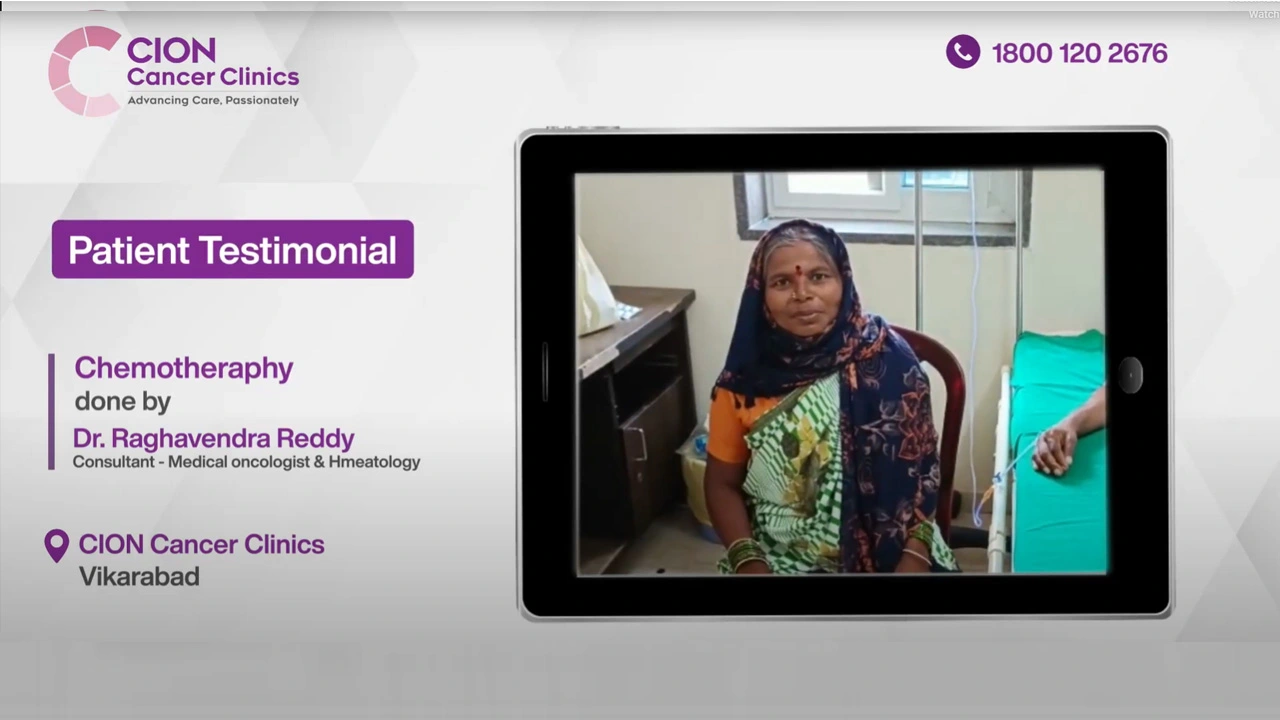
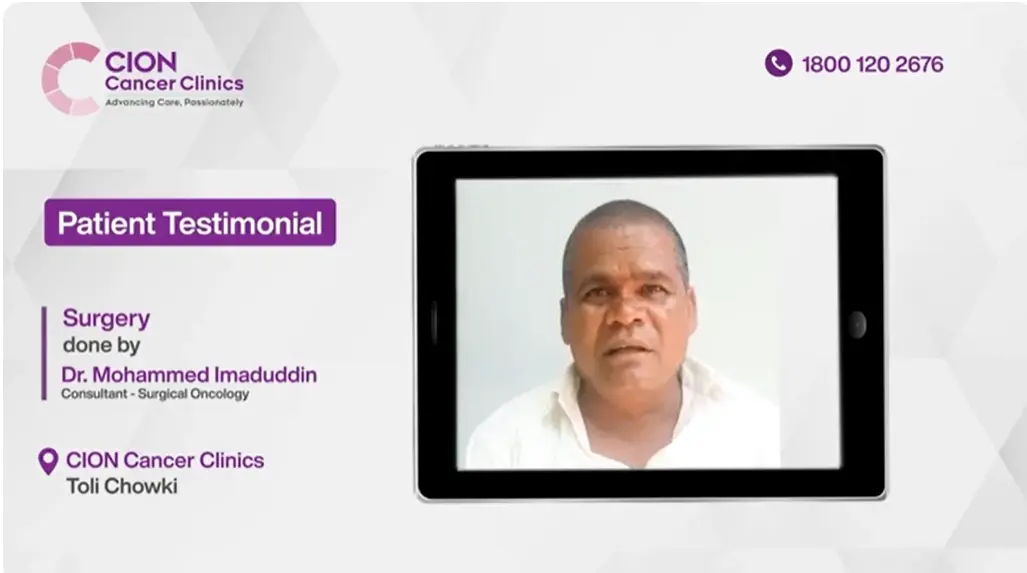
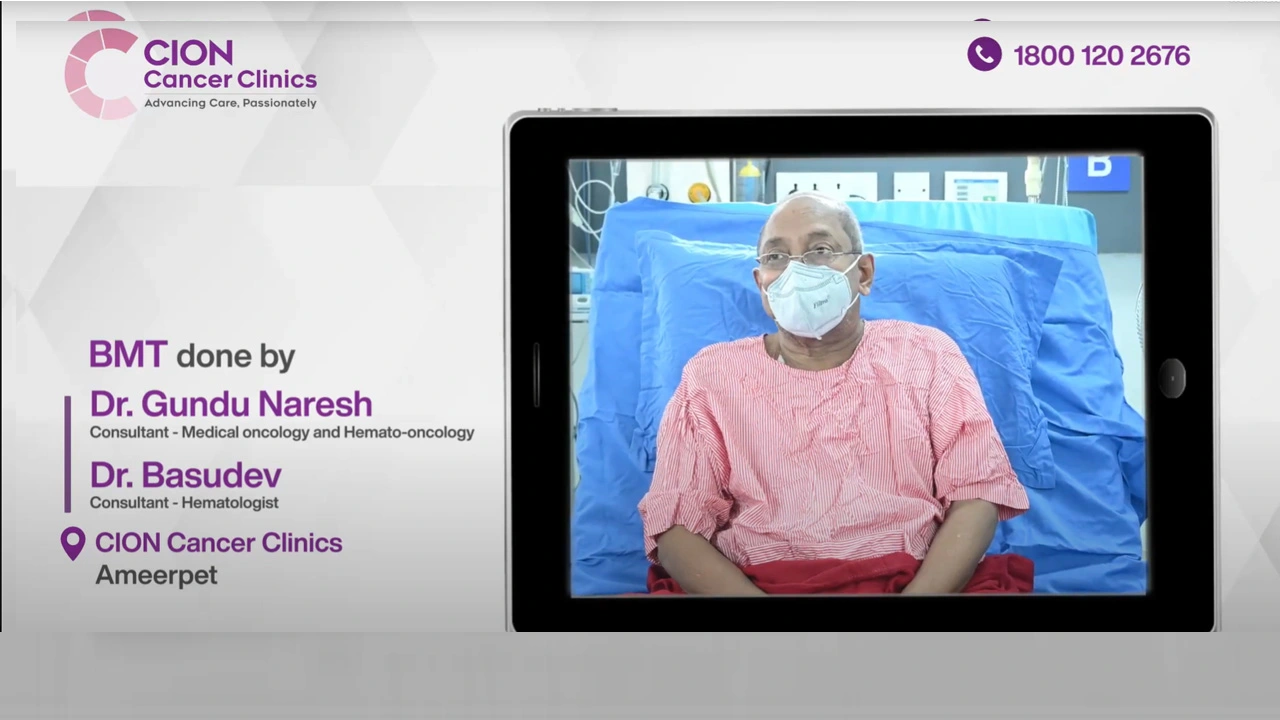
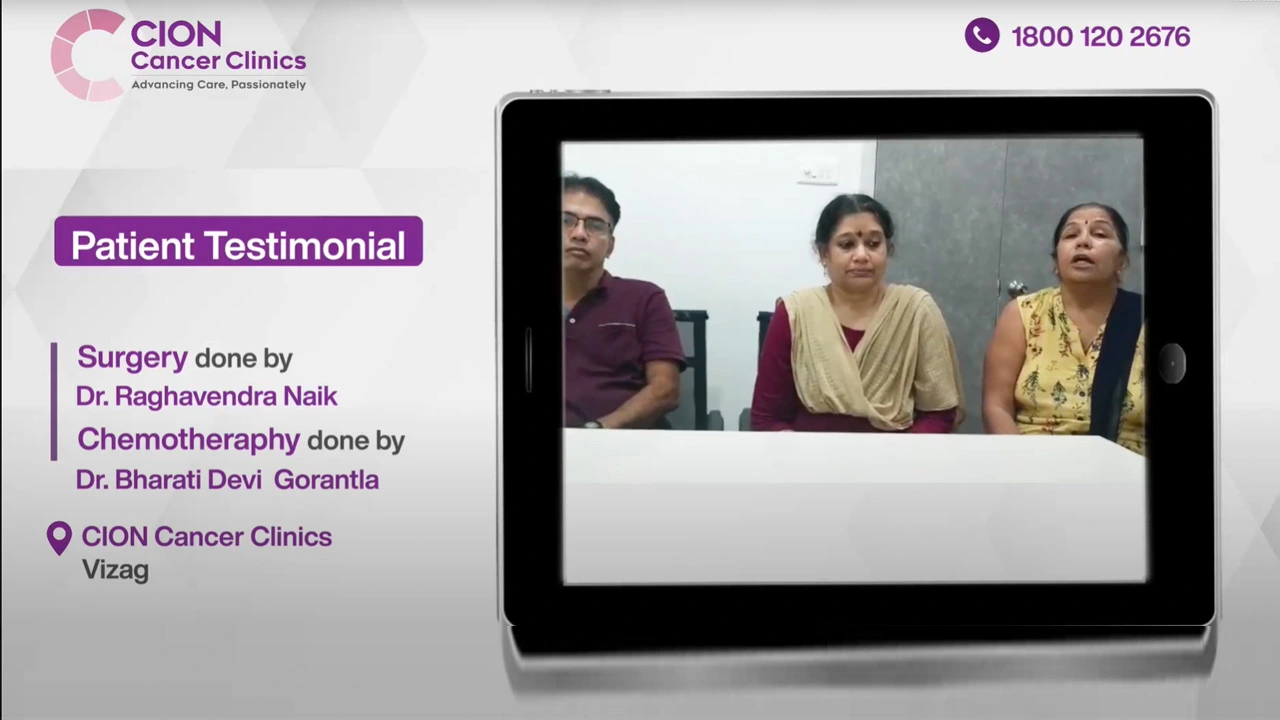
These aren't paid endorsements or written reviews. These are video testimonials from real patients and families — recorded on their own phones, in their own words. Pick any one. Watch it. Then decide.
Read all 800+ reviews on Google
Start Your Story. Book Free Consultation.The most common first sign is a deep, painless, slowly growing lump — most often in a limb, especially the thigh. Other features that raise concern are a lump larger than 5 cm, a lump that is firm and fixed in place, a new lump in an old radiation field or scar, or persistent abdominal fullness with a felt mass. Pain is uncommon early on and only appears when the tumour presses on a nerve or joint. The unifying theme is a soft tissue lump that does not fit the description of a typical lipoma or cyst.
No — the great majority of soft tissue lumps are benign lipomas, cysts, fibromas, or other harmless growths. Sarcoma is genuinely rare. However, several features should always trigger specialist evaluation: a lump deeper than the skin, a lump larger than 5 cm, a lump that is firm and fixed, a lump growing in size over weeks or months, or a lump that is new in an old radiation field or scar. When any of these features are present, an MRI and a specialist opinion are essential before any surgical removal.
Yes — soft tissue sarcoma is curable when diagnosed early and treated at a specialist centre. Cure rates for localised limb sarcomas treated with appropriate wide local excision and radiation are 70–80%, and even larger or higher-grade tumours have meaningful cure rates with combined surgery, radiation and chemotherapy. The single most important factor in cure is the quality of the first surgery — a properly planned, specialist-led wide excision with adequate margins is what separates cure from local recurrence. This is precisely why a specialist opinion is so important before any surgery on a suspicious soft tissue lump.
Soft tissue sarcomas arise from the body's soft connective tissues — muscle, fat, blood vessels, nerves and the supporting tissues around organs. Bone sarcomas, in contrast, arise from the bone itself and include osteosarcoma, Ewing sarcoma and chondrosarcoma. The two groups affect different age ranges (bone sarcomas more often affect adolescents and young adults, while most soft tissue sarcomas affect adults over 40), occur in different locations, and are treated with different surgical and chemotherapy approaches. A specialist sarcoma team handles both, but the treatment plans are not interchangeable.
In most cases, no. Modern sarcoma treatment is built around limb-sparing surgery, in which the tumour and a margin of normal tissue are removed and the limb is reconstructed using muscle flaps, skin grafts, or vascular reconstruction. Combined with pre-operative or post-operative radiation, limb-sparing surgery achieves the same cure rates as amputation for most patients. Amputation is reserved for very large tumours that involve major nerves or blood vessels, or for tumours that have not responded to other treatment. The right surgical decision is always made by a specialist sarcoma tumour board, individualised to each patient's tumour, age, and functional needs.
Browse our complete library of sarcoma guides — covering lumps and early signs, diagnosis and biopsy, soft tissue and bone subtypes, GIST, treatment, genetics, survival, survivorship, and cost in Hyderabad.