

 CION Ameerpet
Testicular cancer is the most common cancer in men aged 15 to 35 — and also one of the most curable, with cure rates above 95% when caught early. The single most important fact about it is that almost every testicular cancer begins as a painless lump that the man himself can feel during a routine shower-time self-examination. Awareness, willingness to act on a new lump without embarrassment, and prompt specialist evaluation are what turn an aggressive cancer into a routinely curable one.
Testicular cancer occurs when cells in one of the testicles (testes) — the male reproductive glands that produce sperm and testosterone — grow uncontrollably and form a tumour. The great majority of testicular cancers arise from the germ cells, the cells that develop into sperm. Testicular cancer almost always affects just one testicle, and removing the affected testicle through a small operation is the standard first treatment — fertility and hormone levels are usually preserved by the unaffected side.
Testicular cancer is rare overall but peaks in young men, with most cases diagnosed between the ages of 15 and 44. India sees lower incidence than Western countries, but the cancer still presents regularly across Telangana and Andhra Pradesh — typically in younger men who, because of embarrassment or unfamiliarity with self-examination, often delay seeking medical advice for weeks or months. The good news is that even advanced testicular cancer is highly curable today thanks to modern combination chemotherapy, and sperm banking before treatment can preserve future fertility for almost all patients.
With modern BEP chemotherapy (bleomycin, etoposide, cisplatin), even advanced testicular cancer with widespread metastases has cure rates of 70–80%. Outcomes are excellent — but the earlier the diagnosis, the simpler the treatment, and the lower the risk of long-term side effects.
Almost all testicular cancers are germ cell tumours, which fall into two main groups that are treated differently. A small number are stromal tumours or testicular lymphomas.
Accounts for around 40–45% of germ cell testicular cancers. Seminomas tend to grow more slowly than other types, usually occur in slightly older men (30s and 40s), and are extremely sensitive to both chemotherapy and radiation. Cure rates for Stage I seminoma exceed 99% with surgery alone or with a single dose of adjuvant chemotherapy.
An umbrella term covering embryonal carcinoma, yolk sac tumour, choriocarcinoma, and teratoma — usually present in a mixed form. NSGCTs tend to occur in younger men (teenagers and twenties), grow faster, and are more likely to have spread at diagnosis. Treatment combines surgery with chemotherapy (the BEP regimen), with cure rates above 95% in localised disease and 70–80% in advanced disease.
Rare tumours that arise from the supporting tissues of the testicle, including Leydig cell tumours (which can produce testosterone or oestrogen) and Sertoli cell tumours. Most are benign and treated with surgery alone, with excellent outcomes.
A rare cancer that affects the immune cells of the testicle, usually in older men (above 60). Unlike germ cell tumours, testicular lymphoma is treated primarily with chemotherapy rather than surgery alone.
For detailed information on diagnosis, radical inguinal orchidectomy, BEP chemotherapy, retroperitoneal lymph node dissection and fertility preservation, see our dedicated page on testicular cancer treatment in Hyderabad.
Testicular cancer almost always announces itself with a change that the man himself can feel. Watch for any of the following:
We're never more than 30 minutes away. Same panel of specialists at every centre. Same tumour board reviews. Same NCCN protocols. Pick the closest one and call directly — or let us pick for you.
CION Ameerpet
 CION Kukatpally
 CION L.B. Nagar
 CION Tolichowki
 CION Masab Tank
 CION Banjara Hills
 CION Kompally
CION Balanagar
CION Siddipet
CION Sangareddy
CION Kompally
CION Balanagar
CION Siddipet
CION Sangareddy
Not sure which centre fits best? Tell us where you are — we'll suggest the closest one with the right specialists.
Help me pick the right centreTravelling for treatment? We may have a centre right where you are.
Don't see your city? Call 18002028726 — we'll find your nearest CION partner centre.
Trained at AIIMS, Tata Memorial, and leading international centres. Combined 150+ years of experience. Every complex case is reviewed by 3+ of them — together.


MBBS(Gold Medal), DNB(General Medicine), DM(Medical Oncology)(Gold Medal)

MBBS, MD(General Medicine), DM(Medical Oncology)(Adyar,Chennai), ECMO, MRCP SCE(UK)

MBBS, MD (General Medicine), DrNB (Medical Oncology), ECMO, MRCP SCE (Medical Oncology) (UK)


MBBS (AIIMS), MS (Surgery) (AIIMS), DNB (Surgical Oncology), MRCS (Edinburgh)


MBBS, MS(General Surgery), M.Ch(Surgical Oncology), FMAS, FARIS(Ongoing)


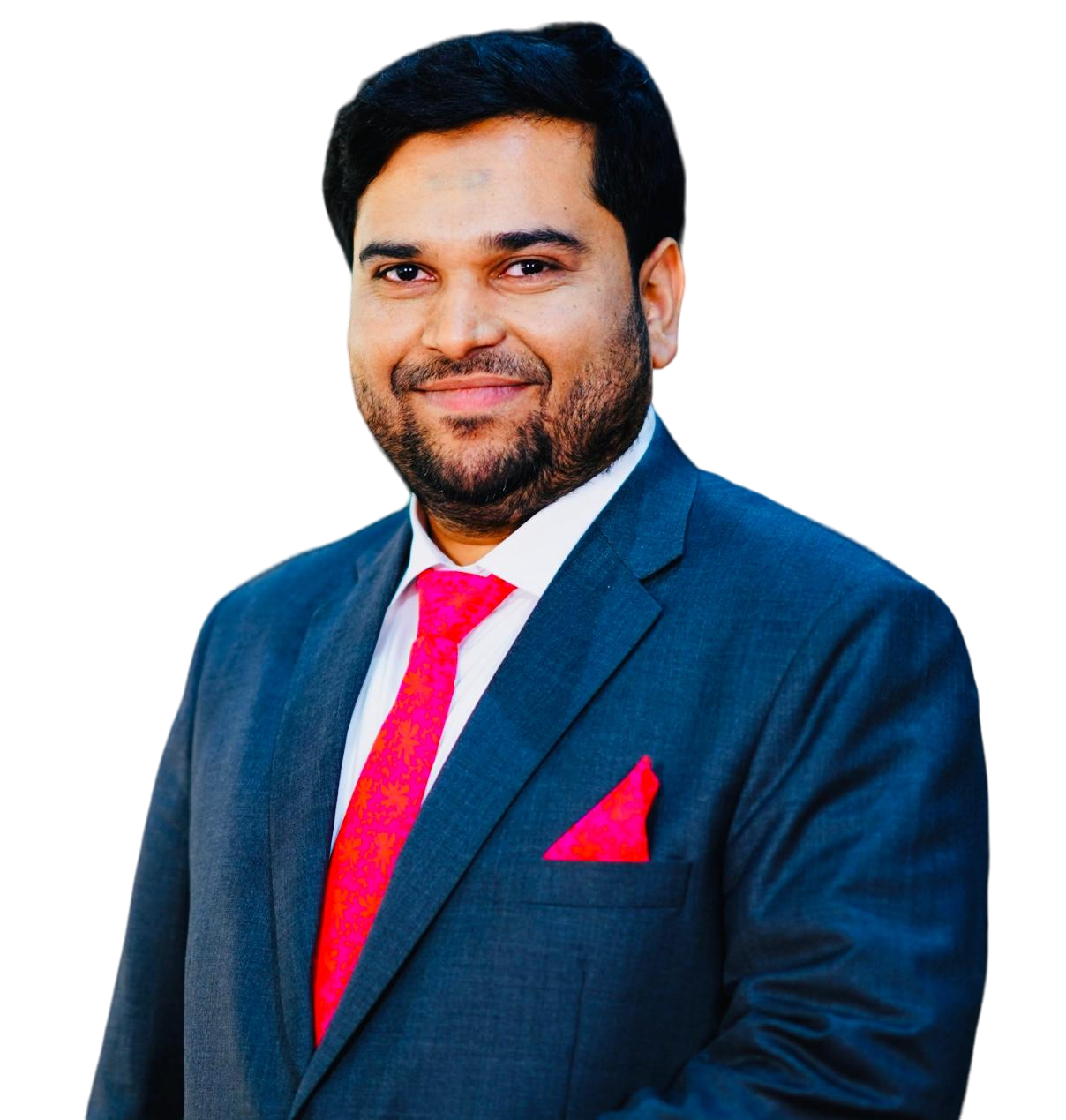

MBBS, MS (General Surgery), DrNB (Surgical Oncology), FALS Oncology

Want a specific doctor for your case? Mention them when booking.
Book Free ConsultationShare your name and number — we'll call you back within 30 minutes to schedule your consultation.
Speak to a CION uro-oncologist today. Free consultation. Confidential. No commitment to start treatment.
Testicular cancer is uncommon in India compared with Western countries, but the cancer is still seen routinely across Telangana and Andhra Pradesh — primarily in young men between 15 and 44. Two regional patterns matter most: testicular self-examination is rarely taught or practised here, and young men are often deeply uncomfortable seeking medical advice for a problem in this part of the body. The combination delays diagnosis. Fertility preservation through sperm banking before treatment is highly effective and widely available in Hyderabad, but is also frequently missed simply because patients and families are not aware it should be offered. Any young man with a new painless lump in the testicle deserves an urgent ultrasound — no further delay, no further self-monitoring.
The exact cause of testicular cancer is usually not identifiable. Known risk factors include:
See a urologist or uro-oncologist promptly — without delay or embarrassment — if you notice any of the following:
A short specialist consultation and the right diagnostic test — imaging, tumour markers, biopsy, or blood test as appropriate — is usually enough to confirm or rule out cancer. Early action is always easier than catching up later.
Our NABH-accredited centres across Hyderabad deliver evidence-based testicular cancer care — from scrotal ultrasound and tumour marker assessment through to radical inguinal orchidectomy with implant options, BEP chemotherapy, retroperitoneal lymph node dissection, advanced radiation therapy for selected seminomas, and fertility preservation through sperm banking — guided by NCCN and EAU protocols and reviewed for every patient by a multidisciplinary uro-oncology tumour board with full attention to fertility, dignity, and quality of life.
For a detailed walk-through of testicular cancer diagnosis, treatment options, costs, and our specialist team, see our dedicated page on testicular cancer treatment in Hyderabad.
Imaging, tumour markers, and an expert opinion confirm or rule out cancer. Early action is always easier than catching up later.
These aren't paid endorsements or written reviews. These are video testimonials from real patients and families — recorded on their own phones, in their own words. Pick any one. Watch it. Then decide.

Read all 800+ reviews on Google
Start Your Story. Book Free Consultation.Common questions about testicular cancer — answered by CION's oncology team.